Want to know how top marketers generate a flood of high-quality leads every single day? It all starts with leadsonline — the game-changing strategy that’s reshaping digital marketing. Let’s dive into the real secrets behind sustainable lead growth.

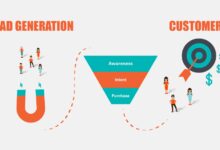

What Exactly Is leadsonline and Why It Matters

The term leadsonline refers to the systematic process of generating, capturing, and nurturing potential customers through digital channels. Unlike traditional lead generation, leadsonline leverages automation, data analytics, and targeted content to attract prospects actively searching for solutions online.
Defining leadsonline in Modern Marketing
In today’s hyper-connected world, leadsonline isn’t just about collecting email addresses. It’s about building relationships with prospects through strategic touchpoints across websites, social media, search engines, and email campaigns. The goal? Turn anonymous visitors into qualified leads.
- Leadsonline uses digital tools like landing pages, chatbots, and lead magnets.
- It focuses on intent-based targeting rather than cold outreach.
- Data privacy compliance (like GDPR) is built into leadsonline frameworks.
How leadsonline Differs from Traditional Lead Generation
Traditional methods rely heavily on cold calling, print ads, or trade shows. Leadsonline, on the other hand, is rooted in digital behavior. Prospects self-identify by engaging with content, filling out forms, or downloading resources.
“Leadsonline flips the script: instead of chasing leads, you attract them with value.” — MarketingPro Journal, marketingpro.com/leadsonline-strategy
This shift has led to higher conversion rates and lower customer acquisition costs across industries.
The Core Components of a Successful leadsonline Strategy
To master leadsonline, you need more than just a contact form. A robust system includes several interconnected elements working in harmony to attract, convert, and nurture leads.
High-Converting Landing Pages
Landing pages are the front door of any leadsonline campaign. They must be clean, focused, and designed with one goal: conversion.
- Use strong headlines that speak directly to pain points.
- Include trust signals like testimonials or security badges.
- Minimize form fields to reduce friction (name and email often suffice).
According to HubSpot, companies with 31+ landing pages generate 7x more leads than those with fewer than 10. You can explore best practices at HubSpot’s landing page guide.
Lead Magnets That Actually Work
A lead magnet is an incentive offered in exchange for contact information. In the world of leadsonline, not all magnets are created equal.
- E-books and whitepapers for B2B audiences.
- Free trials or demos for SaaS companies.
- Cheat sheets, templates, or webinars for niche markets.
The key is relevance. A well-crafted lead magnet addresses a specific problem your audience faces, making it irresistible.
Automated Email Nurturing Sequences
Once a lead is captured, the real work begins. Automated email sequences keep your brand top-of-mind and guide prospects through the buyer’s journey.
- Day 1: Welcome email with the promised resource.
- Day 3: Case study showing real results.
- Day 7: Personalized offer or invitation to a consultation.
Tools like Mailchimp and ActiveCampaign make it easy to set up these workflows as part of your leadsonline ecosystem.
How leadsonline Leverages SEO for Lead Acquisition
Search Engine Optimization (SEO) is one of the most powerful drivers of organic leads. When integrated into a leadsonline strategy, SEO becomes a 24/7 lead generation machine.
Keyword Research for Lead Intent
Not all keywords are equal. In leadsonline, the focus is on intent-based keywords — phrases that indicate a user is ready to take action.
- “Best CRM for small business” suggests research phase.
- “Free CRM trial” indicates high purchase intent.
- “Compare email marketing tools” shows consideration.
Using tools like Ahrefs or SEMrush, marketers can identify these high-intent keywords and build content around them to fuel their leadsonline engine.
Optimizing Content for Conversion, Not Just Traffic
Many blogs drive traffic but fail to convert. In a true leadsonline model, every piece of content should have a conversion goal.
- Insert lead capture forms within blog posts.
- Add contextual CTAs (e.g., “Download our free guide”).
- Use exit-intent popups to capture leaving visitors.
For example, a blog post titled “10 Signs You Need a New CRM” can include a CTA offering a free CRM assessment — a perfect leadsonline tactic.
Building Authority with Long-Form Content
Google rewards in-depth, authoritative content. Long-form guides (2,000+ words) not only rank better but also generate more leads.
- Longer content keeps users engaged longer.
- It allows for natural integration of internal links and CTAs.
- It establishes your brand as a thought leader.
A study by Backlinko found that content over 3,000 words gets 3x more traffic and 4x more shares. Learn more at Backlinko’s SEO research.
Social Media’s Role in the leadsonline Ecosystem
Social platforms are no longer just for brand awareness. When used strategically, they become powerful leadsonline engines.
Using LinkedIn for B2B leadsonline Success
LinkedIn is the #1 platform for B2B lead generation. With over 900 million users, it’s a goldmine for leadsonline professionals.
- Publish long-form posts that position you as an expert.
- Use LinkedIn Lead Gen Forms (available via ads) to capture leads without friction.
- Engage in industry groups to build trust and visibility.
According to LinkedIn, companies using Lead Gen Forms see up to 30% lower cost per lead. Explore their official guide at LinkedIn Advertising Help.
Facebook & Instagram: Visual leadsonline Tactics
For B2C brands, Facebook and Instagram offer advanced targeting and lead capture tools.
- Run lead ads with pre-filled forms (users don’t leave the app).
- Use Instagram Stories with swipe-up links to landing pages.
- Host live Q&A sessions to build rapport before pitching.
These platforms integrate seamlessly with CRM systems, allowing instant follow-up — a critical component of effective leadsonline operations.
Content Repurposing Across Platforms
One piece of content can fuel multiple leadsonline channels. For example, a webinar can be turned into:
- A YouTube video with a CTA in the description.
- Short clips for TikTok and Instagram Reels.
- A blog summary with a lead magnet offer.
This multiplies your reach and maximizes ROI from every content investment.
leadsonline Tools and Technologies You Can’t Ignore
The right tech stack can make or break your leadsonline efforts. Here are the essential tools every marketer should consider.
CRM Systems: The Backbone of leadsonline
A Customer Relationship Management (CRM) system is the central hub for all leadsonline activities.
- Stores lead data securely.
- Tracks interactions across email, phone, and web.
- Automates follow-ups and scoring.
Popular options include Salesforce, HubSpot CRM, and Zoho. These platforms integrate with marketing tools to create a seamless leadsonline pipeline.
Marketing Automation Platforms
Automation is what scales leadsonline. Instead of manual follow-ups, you set up workflows that respond to user behavior.
- If a lead downloads a guide, trigger a 5-day email series.
- If a user visits pricing page twice, flag them as high-intent.
- Send personalized offers based on browsing history.
Tools like Marketo, Pardot, and ConvertKit are leaders in this space, enabling sophisticated leadsonline strategies without extra manpower.
Analytics and Lead Tracking Tools
You can’t improve what you don’t measure. Analytics tools provide visibility into your leadsonline performance.
- Google Analytics shows traffic sources and user behavior.
- Hotjar records session replays to see how users interact with your site.
- UTM parameters track which campaigns generate the most leads.
By analyzing this data, you can optimize every stage of your leadsonline funnel.
Measuring the Success of Your leadsonline Campaigns
Generating leads is only half the battle. The real measure of leadsonline success lies in quality, conversion rates, and ROI.
Key Performance Indicators (KPIs) for leadsonline
To evaluate your leadsonline strategy, track these essential metrics:
- Conversion Rate: Percentage of visitors who become leads.
- Cost Per Lead (CPL): How much you spend to acquire each lead.
- Lead-to-Customer Rate: How many leads turn into paying customers.
- Lead Quality Score: Assessed by sales team feedback or engagement level.
Consistently monitoring these KPIs helps refine your leadsonline approach over time.
A/B Testing for Continuous Optimization
Small changes can have big impacts in leadsonline. A/B testing allows you to compare two versions of a page, email, or ad to see which performs better.
- Test different headlines on your landing page.
- Experiment with button colors or CTA text.
- Try offering a discount vs. a free consultation.
Even a 10% improvement in conversion can significantly boost your leadsonline output over time.
Attribution Modeling: Understanding the Full Journey
Most leads don’t convert on first visit. Attribution modeling helps you understand which channels contribute to conversions.
- Last-click attribution gives credit to the final touchpoint.
- Multi-touch models distribute credit across the journey.
- Time-decay models emphasize recent interactions.
Using tools like Google Analytics 4 or Bizible, you can gain deeper insights into your leadsonline funnel and allocate budget more effectively.
Common Mistakes That Kill leadsonline Results
Even well-funded campaigns fail when basic leadsonline principles are ignored. Here are the most common pitfalls.
Poor Lead Qualification
Not all leads are worth pursuing. Chasing unqualified leads wastes time and resources.
- Use lead scoring to prioritize high-intent prospects.
- Ask qualifying questions in your forms (e.g., company size, budget).
- Integrate with sales teams to define what a “good” lead looks like.
Without proper qualification, your leadsonline efforts may generate volume but not value.
Ignoring Follow-Up
Most leads don’t convert immediately. Research shows it takes 5–12 touchpoints to close a sale.
- Set up automated email sequences.
- Use retargeting ads to stay visible.
- Call or message leads within 5 minutes of form submission.
Companies that follow up quickly see up to 300% more conversions, according to InsideSales.com.
Overlooking Mobile Optimization
Over 60% of web traffic comes from mobile devices. If your leadsonline assets aren’t mobile-friendly, you’re losing leads.
- Ensure forms are easy to fill on small screens.
- Optimize page load speed (under 3 seconds).
- Use responsive design for all landing pages.
Google penalizes non-mobile sites in search rankings, further hurting your leadsonline potential.
Future Trends Shaping the leadsonline Landscape
The world of leadsonline is evolving fast. Staying ahead requires awareness of emerging technologies and consumer behaviors.
AI-Powered Lead Generation
Artificial Intelligence is transforming how leads are identified and engaged.
- Chatbots qualify leads 24/7 using natural language processing.
- Predictive analytics forecast which leads are most likely to convert.
- AI writes personalized email subject lines and ad copy.
Platforms like Drift and Conversica are leading the charge in AI-driven leadsonline solutions.
Voice Search and Smart Assistants
With the rise of Alexa and Google Assistant, voice search is changing SEO and leadsonline strategies.
- Optimize for conversational, long-tail keywords.
- Create FAQ-style content that answers voice queries.
- Ensure your business is listed in local directories for “near me” searches.
By 2025, over 50% of searches will be voice-based, making this a critical leadsonline frontier.
Privacy-First leadsonline Approaches
With increasing regulations (GDPR, CCPA) and browser restrictions (e.g., third-party cookies), leadsonline must adapt.
- Focus on first-party data collection.
- Be transparent about data usage in privacy policies.
- Offer value in exchange for consent (e.g., exclusive content).
The future of leadsonline isn’t about invasive tracking — it’s about trust and permission.
What is leadsonline?
Leadsonline is a digital strategy focused on generating, capturing, and nurturing potential customers through online channels using tools like landing pages, SEO, social media, and automation.
How do I start a leadsonline campaign?
Begin by defining your target audience, creating a high-value lead magnet, building a landing page, setting up a CRM, and launching targeted ads or content to drive traffic.
What tools are essential for leadsonline?
Essential tools include a CRM (e.g., HubSpot), email marketing platform (e.g., Mailchimp), landing page builder (e.g., Unbounce), and analytics tools (e.g., Google Analytics).
Is leadsonline only for B2B businesses?
No, leadsonline works for both B2B and B2C. While B2B often uses LinkedIn and whitepapers, B2C leverages social media ads and free trials.
How do I measure leadsonline success?
Track KPIs like conversion rate, cost per lead, lead-to-customer rate, and ROI. Use A/B testing and attribution modeling to optimize performance.
Mastering leadsonline isn’t about quick hacks — it’s about building a sustainable system that attracts, converts, and nurtures high-quality leads. From SEO and social media to AI and automation, the tools and strategies are available to anyone willing to invest the time and effort. The future of marketing is digital, data-driven, and centered around the leadsonline model. Start implementing these insights today, and watch your pipeline grow stronger than ever.
Further Reading:
