Ever wondered what ‘leads meaning’ really is and why it’s so crucial for businesses? It’s not just about names and emails—it’s the lifeblood of sales and marketing. Let’s break it down in simple, powerful terms.

Leads Meaning: The Core Definition and Why It Matters

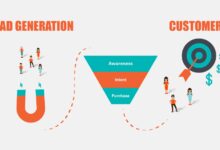
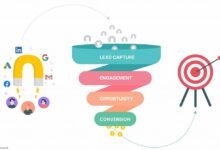
At its most basic, the term leads meaning refers to potential customers who have shown interest in your product or service. But it’s far more nuanced than that. A lead isn’t just a contact; it’s the starting point of a sales journey. Understanding this concept is essential for any business aiming to grow its customer base.
What Exactly Is a Lead?
A lead is an individual or organization that has indicated interest in your offering—usually by providing contact information. This could happen through a website form, a social media interaction, or even a cold call response. The key is expressed interest, which separates a lead from a random passerby.
- Leads are not yet customers but are prospects in the sales funnel.
- They may have engaged with content, downloaded a guide, or signed up for a newsletter.
- The quality of a lead depends on how closely they match your ideal customer profile.
“A lead is the first handshake in a long-term business relationship.” — Sales Expert, HubSpot
Why Understanding Leads Meaning Is Crucial for Business Growth
Without leads, there are no sales. Simple as that. But beyond the obvious, understanding the leads meaning helps businesses refine their marketing strategies, allocate budgets more effectively, and improve conversion rates. It’s the foundation of customer acquisition.
- Clear definition of leads helps align sales and marketing teams.
- It enables better tracking of ROI on marketing campaigns.
- It supports data-driven decisions in lead nurturing and follow-up.
Types of Leads: Breaking Down the Categories
Not all leads are created equal. The leads meaning evolves depending on the type of lead you’re dealing with. From cold inquiries to warm referrals, each category requires a different approach and level of engagement.
Marketing Qualified Leads (MQLs)
These are leads that marketing teams have identified as more likely to become customers based on their engagement. For example, someone who has downloaded a whitepaper, attended a webinar, or visited pricing pages multiple times.
- MQLs are nurtured with targeted content and email sequences.
- They are not yet ready for a sales call but are on the radar.
- Scoring models help determine when an MQL becomes a sales-ready lead.
Sales Qualified Leads (SQLs)
SQLs are leads that the sales team has accepted as ready for direct outreach. They’ve met specific criteria—like budget, authority, need, and timeline (BANT)—and are considered high-potential prospects.
- SQLs often result from follow-ups on MQLs.
- They may have requested a demo or spoken to a sales rep.
- Conversion rates for SQLs are significantly higher than for MQLs.
Product Qualified Leads (PQLs)
In SaaS and tech companies, PQLs are users who have experienced the product—often through a free trial or freemium model—and shown behaviors indicating they’re ready to upgrade.
- Actions like using key features, inviting team members, or hitting usage limits signal readiness.
- PQLs are highly valuable because they’ve already seen the product’s value.
- They require less convincing and shorter sales cycles.
How Leads Are Generated: Top Strategies That Work
Understanding the leads meaning is only half the battle. The real challenge lies in generating high-quality leads consistently. This requires a mix of inbound and outbound strategies tailored to your audience.
Inbound Lead Generation
Inbound marketing attracts leads naturally by offering value. Instead of chasing prospects, you create content and experiences that draw them in.
- Blogging, SEO, and educational content build trust and visibility.
- Landing pages with lead magnets (e.g., e-books, checklists) capture contact info.
- Webinars and online events position your brand as an authority.
“Inbound leads convert 5x higher than outbound leads.” — Inbound.org
Outbound Lead Generation
Outbound strategies involve reaching out directly to potential customers. While often seen as more aggressive, they can be highly effective when done right.
- Cold emailing, cold calling, and LinkedIn outreach are common tactics.
- Targeted ads on platforms like LinkedIn or Google can generate quick leads.
- Trade shows and networking events still play a vital role in B2B lead gen.
Lead Generation Through Social Media
Social platforms are no longer just for branding—they’re powerful lead engines. With precise targeting and engaging content, businesses can turn followers into leads.
- Facebook and Instagram lead ads allow users to submit info without leaving the app.
- LinkedIn forms and sponsored content target professionals by job title and industry.
- Engagement on posts can be converted into leads via direct messages or CTAs.
Lead Scoring: How to Prioritize Your Leads
Not every lead deserves the same attention. The leads meaning in practice includes evaluating which leads are most likely to convert. That’s where lead scoring comes in—a system that assigns values to leads based on behavior and demographics.
leads meaning – Leads meaning menjadi aspek penting yang dibahas di sini.
What Is Lead Scoring?
Lead scoring is a methodology used to rank prospects against a scale that represents their perceived value. It helps sales and marketing teams focus on the most promising leads.
- Positive points are given for actions like visiting pricing pages or downloading case studies.
- Negative points may be assigned for inactivity or mismatched job titles.
- The total score determines the lead’s position in the funnel.
Demographic vs. Behavioral Scoring
There are two main types of lead scoring: demographic and behavioral. Both are essential for a complete picture.
- Demographic scoring looks at firmographic data—company size, industry, job title, location.
- Behavioral scoring tracks actions—email opens, page visits, content downloads.
- The best systems combine both for a 360-degree view of lead quality.
“Companies using lead scoring see a 77% increase in lead conversion rates.” — MarketingProfs
Lead Nurturing: Turning Interest Into Sales
Most leads aren’t ready to buy immediately. The leads meaning extends beyond capture—it includes the process of nurturing them until they’re sales-ready. This is where relationships are built and trust is earned.
What Is Lead Nurturing?
Lead nurturing is the process of building relationships with buyers at every stage of the sales funnel. It involves delivering relevant content and personalized communication to guide leads toward a purchase decision.
- Email drip campaigns are a common nurturing tool.
- Personalized content based on user behavior increases engagement.
- Nurturing reduces the time it takes for a lead to become a customer.
Best Practices for Effective Lead Nurturing
To nurture leads successfully, you need a strategy that’s both consistent and adaptive.
- Segment your leads based on interests, behavior, or lifecycle stage.
- Use automation tools like Mailchimp or HubSpot to deliver timely messages.
- Monitor engagement metrics to refine your approach.
Common Mistakes in Lead Nurturing
Even with the best intentions, businesses often make mistakes that hurt their nurturing efforts.
- Overloading leads with too many emails too quickly.
- Failing to personalize messages, leading to low engagement.
- Not aligning sales and marketing on what constitutes a “ready” lead.
Leads Meaning in Different Industries: A Comparative Look
The interpretation of leads meaning can vary significantly across industries. What qualifies as a lead in real estate might be very different from what counts in SaaS or e-commerce.
Leads in Real Estate
In real estate, a lead is often someone looking to buy or sell a property. These leads are typically generated through online listings, open houses, or referrals.
- Buyer leads may come from mortgage calculators or home valuation tools.
- Seller leads are often captured via “sell my home” forms.
- Speed of response is critical—leads can go cold within minutes.
Leads in SaaS and Tech
In the software world, leads are often users who have interacted with a free version of the product or signed up for a trial.
- Product usage data is a key indicator of lead quality.
- Onboarding emails help guide users toward key features.
- Customer success teams often play a role in converting leads.
Leads in E-commerce
E-commerce leads are usually captured through email sign-ups, abandoned cart recoveries, or loyalty programs.
- Discount offers and free shipping incentives drive lead capture.
- Retargeting ads bring back visitors who didn’t purchase.
- Personalized product recommendations boost conversion.
Measuring Lead Quality and Conversion Success
Understanding the leads meaning isn’t complete without knowing how to measure success. Key metrics help you evaluate the effectiveness of your lead generation and nurturing efforts.
Key Performance Indicators (KPIs) for Leads
To assess lead performance, track these essential KPIs:
- Conversion Rate: Percentage of leads that become customers.
- Cost Per Lead (CPL): How much you spend to acquire each lead.
- Lead-to-Customer Ratio: How many leads it takes to close one sale.
- Average Lead Response Time: How quickly you engage new leads.
“Companies that respond to leads within 5 minutes are 21x more likely to qualify them.” — Salesforce Research
Tools for Tracking and Analyzing Leads
Modern businesses rely on technology to manage and analyze leads effectively.
leads meaning – Leads meaning menjadi aspek penting yang dibahas di sini.
- CRM systems like Salesforce or HubSpot centralize lead data.
- Marketing automation platforms track engagement and trigger actions.
- Analytics dashboards provide real-time insights into lead performance.
Improving Lead Quality Over Time
Lead quality isn’t static—it can and should improve with time and refinement.
- Refine your buyer personas based on conversion data.
- Optimize landing pages and forms for better targeting.
- Train sales teams to disqualify bad leads early in the process.
What is the basic leads meaning?
The basic leads meaning refers to individuals or organizations that have shown interest in your product or service and provided contact information, making them potential customers in your sales funnel.
What’s the difference between MQL and SQL?
A Marketing Qualified Lead (MQL) is someone who has engaged with marketing content and shows potential, while a Sales Qualified Lead (SQL) is ready for direct sales outreach and has been accepted by the sales team.
How do you generate high-quality leads?
High-quality leads are generated through targeted content, SEO, social media engagement, lead magnets, and precise audience segmentation. Combining inbound and outbound strategies yields the best results.
Why is lead nurturing important?
Lead nurturing builds trust and guides prospects through the buyer’s journey. It increases conversion rates by delivering the right content at the right time, keeping your brand top-of-mind.
What tools help manage leads effectively?
CRM platforms like HubSpot, Salesforce, and Zoho CRM help manage leads by tracking interactions, automating follow-ups, and providing analytics to improve lead quality and conversion.
Understanding the leads meaning is more than a definition—it’s a strategic imperative. From identifying different types of leads to nurturing them effectively, every step impacts your bottom line. By leveraging the right strategies, tools, and metrics, businesses can turn interest into revenue and build lasting customer relationships. The key is consistency, data-driven decisions, and a deep understanding of what makes a lead truly valuable.
leads meaning – Leads meaning menjadi aspek penting yang dibahas di sini.
Further Reading:
