Want to grow your business? Start with leads. These potential customers are the lifeblood of sales and marketing. In this deep dive, we’ll explore what leads really are, how to generate them effectively, and turn them into loyal customers using proven, data-driven strategies.

What Are Leads and Why They Matter

At the heart of every successful business lies a steady stream of leads. But what exactly is a lead? Simply put, a lead is any individual or organization that has shown interest in your product or service. This interest could come from filling out a form, subscribing to a newsletter, downloading a guide, or engaging with your content online.
Leads are not yet customers—but they’re on the path. They represent potential. According to HubSpot, companies that master lead generation grow 2.5x faster than those that don’t (HubSpot, 2023). That’s why understanding leads is the first step toward sustainable growth.
Types of Leads: From Cold to Hot
Not all leads are created equal. They exist on a spectrum based on their readiness to buy. Understanding these types helps you tailor your approach.
Cold Leads: These are individuals with minimal interaction.They might have visited your website once or given their email at an event.They need nurturing.Warm Leads: They’ve engaged more—downloaded a whitepaper, attended a webinar, or followed your brand on social media.They’re aware of your solution.Hot Leads: These are ready to buy.
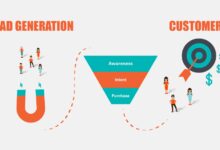
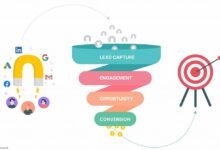
.They’ve requested a demo, asked for pricing, or spoken to your sales team.Conversion is imminent.”A lead is not just a name and email—it’s a person with a problem you can solve.” — Marketing Expert, Neil PatelThe Lead Lifecycle: From First Touch to CloseThe journey a lead takes—from initial awareness to becoming a paying customer—is called the lead lifecycle.It typically includes four stages:.
- Acquisition: Capturing interest through ads, content, or events.
- Nurturing: Building trust via email sequences, retargeting, and personalized content.
- Qualification: Determining if the lead fits your ideal customer profile (ICP).
- Conversion: Turning the qualified lead into a customer.
Each stage requires different tools and messaging. Skipping steps often leads to poor conversion rates.
How to Generate Leads Effectively
Generating leads isn’t about casting a wide net—it’s about fishing in the right pond. The goal is to attract the right people, not just any people. Let’s explore the most effective lead generation strategies used by top-performing businesses.
Create High-Value Lead Magnets
A lead magnet is a free resource offered in exchange for contact information. It’s the cornerstone of lead generation. The key? It must solve a real problem.
- E-books and guides (e.g., “The Ultimate SEO Guide 2024”)
- Templates and checklists (e.g., “Social Media Calendar Template”)
- Free trials or demos (especially for SaaS companies)
- Webinars with expert insights
According to OptinMonster, lead magnets can increase conversion rates by up to 1,200%. But only if they’re relevant and valuable. A poorly designed PDF won’t cut it.
Leverage Content Marketing for Organic Leads
Content is still king when it comes to generating organic leads. Blogs, videos, podcasts, and infographics help you rank on search engines and build authority.
For example, a well-optimized blog post like “How to Fix a Leaky Faucet” can attract homeowners searching for DIY solutions. By including a CTA (Call to Action) at the end—like “Download Our Home Repair Checklist”—you convert readers into leads.
Backlinko’s research shows that long-form content (over 2,000 words) gets 3x more traffic and 4x more shares than shorter posts (Backlinko, 2023). More traffic = more leads.
Use Paid Advertising to Accelerate Lead Flow
While organic growth is sustainable, paid ads deliver faster results. Platforms like Google Ads, Facebook, and LinkedIn allow precise targeting.
- Google Search Ads: Target users actively searching for solutions (high intent).
- Facebook & Instagram Ads: Great for visual products and broad audience reach.
- LinkedIn Ads: Ideal for B2B lead generation with professional targeting.
A/B testing your ad copy and landing pages can significantly improve lead quality. Tools like Unbounce and Instapage help optimize conversion rates.
Lead Capture: Turning Visitors into Leads
You can have the best content and ads, but if you’re not capturing leads effectively, you’re leaving money on the table. Lead capture is the process of collecting visitor information—usually an email or phone number—in exchange for value.
Optimize Landing Pages for Maximum Conversions
Your landing page is where the magic happens. It should be focused, distraction-free, and persuasive.
- Clear headline that matches the ad or search intent
- Strong benefit-driven copy
- Minimal form fields (name and email often suffice)
- Trust signals (testimonials, security badges, logos)
Unbounce reports that high-converting landing pages have conversion rates above 10%. Some even hit 30% with proper optimization.
Use Pop-Ups and Exit-Intent Technology Wisely
Pop-ups have a bad reputation, but when used correctly, they work. Exit-intent pop-ups appear when a user is about to leave your site.
For example, offering a 10% discount in exchange for an email can reduce bounce rates and capture last-minute leads. Sumo found that exit-intent pop-ups increase email signups by 20-30%.
“Don’t annoy users with pop-ups. Offer value the moment they consider leaving.” — Conversion Rate Expert, Peep Laja
Implement Chatbots for Real-Time Lead Engagement
Chatbots are no longer just for customer service. Modern AI-powered bots can qualify leads 24/7.
For instance, a chatbot on a real estate site can ask: “Are you looking to buy or rent?” and “What’s your budget?” Based on responses, it can route hot leads to a sales agent or send a warm lead a property guide.
Drift reports that companies using conversational marketing see a 30-50% increase in qualified leads (Drift, 2023).
Lead Qualification: Separating the Ready from the Not-Ready
Not every lead deserves your sales team’s time. Lead qualification ensures you focus on those most likely to convert. This saves resources and improves close rates.
BANT Framework: Budget, Authority, Need, Timing
BANT is a classic sales qualification model developed by IBM. It helps assess if a lead is sales-ready.
- Budget: Do they have the financial means to buy?
- Authority: Are they the decision-maker?
- Need: Do they have a pain point your product solves?
- Timing: Are they ready to buy now or in the near future?
If a lead checks all four boxes, they’re a prime candidate for your sales team.
Lead Scoring: Assigning Value to Leads
Lead scoring assigns numerical values to leads based on their behavior and profile. For example:
- +10 points for visiting the pricing page
- +20 points for downloading a case study
- +30 points for attending a demo
- +15 points for being in the target industry
Once a lead hits a threshold (e.g., 70 points), they’re marked as sales-ready. This system reduces guesswork and improves alignment between marketing and sales.
Marketing Qualified Leads (MQLs) vs. Sales Qualified Leads (SQLs)
Understanding the difference between MQLs and SQLs is crucial for team alignment.
- MQL (Marketing Qualified Lead): A lead that marketing believes is ready for sales based on engagement.
- SQL (Sales Qualified Lead): A lead that sales accepts as ready for direct outreach.
The handoff between MQL and SQL should be smooth. Poor communication here causes leaks in the funnel. Regular meetings between marketing and sales teams help refine criteria.
Nurturing Leads: Building Trust Before the Sale
Only 2% of leads convert on first contact. The other 98% need nurturing. Lead nurturing is the process of building relationships with prospects over time, guiding them toward a purchase decision.
Email Drip Campaigns That Convert
Email remains one of the most effective nurturing tools. Drip campaigns send automated, personalized emails based on user behavior.
- Welcome series for new subscribers
- Educational content for leads who downloaded a guide
- Case studies and testimonials for mid-funnel leads
- Special offers for inactive leads
Mailchimp found that drip emails generate 18x more revenue than broadcast emails. The key is relevance and timing.
Retargeting Ads to Stay Top-of-Mind
Retargeting (or remarketing) shows ads to people who’ve visited your site but didn’t convert.
For example, someone who viewed a product page but left can later see that same product on Facebook or Google. This constant visibility increases the chance of return and conversion.
Google reports that retargeted users are 70% more likely to convert than first-time visitors.
Personalization: The Key to Effective Nurturing
Generic messages get ignored. Personalized content gets attention.
Using a lead’s name, company, or past behavior in emails and ads increases engagement. Tools like HubSpot and Marketo allow dynamic content based on lead data.
“People don’t buy from companies. They buy from people who understand them.” — Seth Godin
Converting Leads into Customers
After nurturing, the final step is conversion. This is where your sales team or automated system closes the deal.
Perfect the Sales Follow-Up
Speed matters. Research by InsideSales shows that the odds of qualifying a lead drop by 400% if you don’t follow up within the first hour.
- Use automated SMS or email for instant acknowledgment
- Personalize the first call or email
- Ask open-ended questions to uncover needs
A well-timed, personalized follow-up can make all the difference.
Offer Free Trials or Demos
Letting leads experience your product builds confidence. Free trials (common in SaaS) or live demos (used in enterprise sales) reduce perceived risk.
Dropbox grew from 100,000 to 4 million users in 15 months by offering a free trial with referral incentives. Experience often beats persuasion.
Use Social Proof to Overcome Objections
Even hot leads hesitate. Social proof—like customer reviews, case studies, and trust badges—helps overcome doubt.
- Display testimonials on landing pages
- Show logos of well-known clients
- Highlight user ratings and media mentions
According to Nielsen, 92% of consumers trust peer recommendations over ads.
Measuring Lead Generation Success
If you can’t measure it, you can’t improve it. Tracking key metrics helps you refine your lead generation strategy.
Cost Per Lead (CPL)
CPL tells you how much you’re spending to acquire one lead. Formula: Total Campaign Spend ÷ Number of Leads.
A low CPL is good, but only if the leads are qualified. A high CPL with high conversion rates may still be profitable.
Conversion Rate by Channel
Not all channels perform equally. Compare conversion rates from:
- Organic search
- Paid ads
- Social media
- Email marketing
- Referral traffic
This helps you allocate budget to the best-performing sources.
Customer Acquisition Cost (CAC) and Lifetime Value (LTV)
CAC is the total cost to acquire a paying customer. LTV is how much revenue they generate over time.
A healthy business has an LTV:CAC ratio of 3:1 or higher. If CAC exceeds LTV, your lead strategy needs reevaluation.
For deeper insights, explore resources like the Campaign Monitor guide on CAC.
Common Lead Generation Mistakes to Avoid
Even experienced marketers make mistakes. Here are the most common pitfalls and how to avoid them.
Targeting the Wrong Audience
Generating leads from people who can’t afford or don’t need your product is wasteful. Define your Ideal Customer Profile (ICP) clearly.
- Demographics: Age, location, job title
- Firmographics: Company size, industry, revenue
- Pain points: What problems do they face?
Use customer interviews and data analysis to refine your ICP.
Overlooking Lead Nurturing
Many businesses focus only on acquisition, then go silent. Without nurturing, most leads go cold.
Set up automated workflows to stay in touch. A simple 5-email sequence can reactivate dormant leads.
Poor Follow-Up and Sales Handoff
When marketing passes a lead to sales and nothing happens, trust erodes. Establish clear SLAs (Service Level Agreements) for response times.
For example: “Sales must contact all SQLs within 1 hour.” Use CRM tools like Salesforce or Zoho to track handoffs.
What is the difference between a lead and a prospect?
A lead is anyone who has shown interest in your business. A prospect is a lead that has been qualified and is actively being pursued by sales. All prospects are leads, but not all leads become prospects.
How can I generate more leads for free?
Focus on organic methods: publish SEO-optimized blog content, engage on social media, participate in online communities (like Reddit or Quora), and offer free tools or templates. Consistency is key.
What’s the best tool for managing leads?
CRM (Customer Relationship Management) tools like HubSpot, Salesforce, or Zoho CRM are the best for managing leads. They track interactions, automate follow-ups, and help with lead scoring.
How long does it take to convert a lead into a customer?
It varies by industry and product complexity. B2C sales might close in days; B2B enterprise deals can take 6-12 months. The average sales cycle is 2-3 months.
Can AI help with lead generation?
Yes. AI tools can personalize content, predict lead behavior, automate chatbots, and optimize ad targeting. Platforms like Drift, HubSpot, and Salesforce Einstein use AI to enhance lead generation.
Leads are the foundation of growth. From understanding their types to mastering generation, capture, qualification, and conversion, every step matters. Avoid common mistakes, measure your results, and focus on delivering value. With the right strategies, you can build a predictable, scalable lead engine that fuels long-term success. Start today—your next big customer is just one lead away.
Further Reading:
