Ever wondered what exactly a ‘lead’ is in today’s fast-paced digital world? The leads definition isn’t just about names and emails—it’s the heartbeat of every successful business strategy. Let’s break it down in a way that’s clear, actionable, and impossible to ignore.
Leads Definition: What Exactly Is a Lead?

At its core, the leads definition refers to a potential customer who has shown interest in your product or service. This interest can come in many forms—filling out a contact form, subscribing to a newsletter, downloading a free guide, or even engaging with your content on social media. But not all leads are created equal, and understanding this distinction is critical for any marketing or sales team.
Basic Characteristics of a Lead
A lead typically provides some form of contact information, signaling a willingness to engage further. This could be a name, email address, phone number, or company details. The key is that the individual has moved beyond passive observation and taken a step toward interaction.
- Has expressed interest in a product or service
- Has provided identifiable contact information
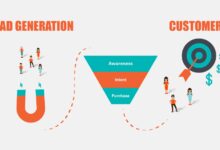
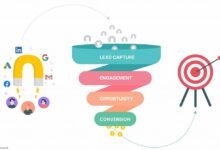
- Is not yet a customer but is in the sales funnel
Difference Between a Lead and a Prospect
While often used interchangeably, a lead and a prospect are not the same. A lead is an unqualified contact—someone who might be interested. A prospect, on the other hand, is a lead that has been qualified based on criteria like budget, authority, need, and timeline (BANT). According to Salesforce, only about 25% of leads are actually sales-ready.
“A lead is a spark; a prospect is a flame waiting to be ignited.”
Why the Leads Definition Matters in Modern Marketing
Understanding the precise leads definition is not just academic—it’s a strategic necessity. Without a clear grasp of what constitutes a lead, businesses risk wasting time, money, and effort on unqualified contacts. A well-defined lead strategy ensures that marketing and sales teams are aligned, improving conversion rates and ROI.
Alignment Between Sales and Marketing
One of the biggest challenges in business is the gap between marketing and sales. Marketing teams generate leads, but sales teams often complain they’re not qualified. By establishing a shared leads definition, both departments can work from the same playbook. HubSpot reports that companies with tightly aligned sales and marketing see 36% higher customer retention and 38% higher sales win rates.
Improved Resource Allocation
When you know exactly what a lead is, you can allocate resources more efficiently. For example, if your ideal lead is a small business owner in the tech industry, you can tailor your ads, content, and outreach to that specific audience. This precision reduces wasted ad spend and increases conversion efficiency.
Types of Leads Based on the Leads Definition
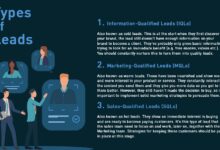
Not all leads fit into the same box. Based on the leads definition, leads can be categorized into several types, each requiring a different approach. Understanding these types helps businesses prioritize efforts and personalize communication.
Marketing Qualified Leads (MQLs)
Marketing Qualified Leads (MQLs) are individuals who have engaged with your marketing efforts but aren’t yet ready for a sales conversation. They might have downloaded an eBook, attended a webinar, or visited pricing pages multiple times. MQLs are nurtured through email campaigns, retargeting ads, and content marketing until they’re sales-ready.
- Engaged with content but not sales-ready
- Scored based on behavior and demographics
- Handed off to sales when they meet predefined criteria
Sales Qualified Leads (SQLs)
Sales Qualified Leads (SQLs) are MQLs that have been vetted and deemed ready for direct sales engagement. They’ve shown intent to buy—perhaps by requesting a demo, asking for a quote, or speaking with a sales rep. SQLs have a much higher conversion probability and are prioritized in the sales pipeline.
According to MarketingProfs, SQLs convert at a rate 2–3 times higher than MQLs, making them the golden ticket in any sales strategy.
Product Qualified Leads (PQLs)
Product Qualified Leads (PQLs) are a newer category, especially relevant in SaaS and freemium models. These are users who have experienced the product—often through a free trial or freemium version—and demonstrated behaviors that indicate readiness to upgrade. For example, a user who has used key premium features in a trial version is a strong PQL.
“PQLs are the future of lead generation—where the product sells itself.”
How Leads Are Generated: Channels and Strategies
Now that we’ve clarified the leads definition, how do businesses actually generate leads? The methods vary widely depending on industry, audience, and resources. However, some channels consistently deliver high-quality leads when executed correctly.
leads definition – Leads definition menjadi aspek penting yang dibahas di sini.
Content Marketing and Lead Magnets
Content marketing remains one of the most effective ways to attract and convert leads. By offering valuable content—such as eBooks, whitepapers, checklists, or templates—businesses can capture contact information in exchange. These are known as lead magnets.
- Highly targeted content attracts qualified leads
- Lead magnets build trust and authority
- Content can be repurposed across multiple platforms
For example, a financial advisor might offer a free retirement planning guide in exchange for an email address. This not only generates a lead but positions the advisor as an expert.
Social Media and Paid Advertising
Social media platforms like LinkedIn, Facebook, and Instagram offer powerful lead generation tools. Lead ads on Facebook, for instance, allow users to submit their information without leaving the app. Similarly, LinkedIn’s lead gen forms enable B2B companies to collect high-intent leads directly from sponsored content.
Paid advertising through Google Ads or retargeting campaigns can also drive high-quality traffic to landing pages designed specifically for lead capture. According to HubSpot, businesses that use retargeting see a 70% increase in conversion rates compared to those that don’t.
Events and Webinars
Hosting webinars or attending industry events is another proven method for generating leads. These formats allow for direct interaction, real-time Q&A, and immediate follow-up. A well-executed webinar can generate hundreds of leads in a single session.
For example, a software company might host a live demo of their new feature, requiring registration to attend. This not only captures leads but also qualifies them based on their willingness to invest time.
Lead Scoring: Prioritizing Based on the Leads Definition
Once leads are generated, the next challenge is prioritizing them. Not every lead deserves the same level of attention. Lead scoring is a methodology that assigns points to leads based on their behavior, demographics, and engagement level. This ensures that sales teams focus on the most promising opportunities.
Behavioral vs. Demographic Scoring
Lead scoring typically combines two types of data:
- Behavioral Scoring: Based on actions like visiting pricing pages, downloading resources, or clicking emails.
- Demographic Scoring: Based on job title, company size, industry, or location.
A lead who is a decision-maker (demographic) and has requested a demo (behavioral) would score much higher than someone who merely visited the homepage.
Implementing a Lead Scoring Model
To implement lead scoring, businesses must first define what actions and attributes indicate buying intent. Then, assign point values accordingly. For example:
- +10 points for downloading a pricing guide
- +25 points for attending a webinar
- +50 points for requesting a demo
- +30 points for being a C-level executive
Once a lead reaches a threshold (e.g., 100 points), they’re automatically routed to the sales team as an SQL.
Lead Nurturing: Turning Interest into Action
Only a small percentage of leads are ready to buy immediately. The majority need time and information to move through the buyer’s journey. This is where lead nurturing comes in—using targeted communication to build relationships and guide leads toward a purchase decision.
Email Drip Campaigns
Email drip campaigns are automated sequences that deliver relevant content over time. For example, a new lead who downloaded a beginner’s guide might receive a series of emails covering intermediate topics, case studies, and finally, a special offer.
leads definition – Leads definition menjadi aspek penting yang dibahas di sini.
- Keeps your brand top-of-mind
- Provides value at each stage of the funnel
- Can be personalized based on lead behavior
Personalization and Segmentation
Generic messaging doesn’t convert. Effective lead nurturing requires segmentation—grouping leads based on shared characteristics—and personalization—tailoring content to individual needs. A lead in the healthcare industry should receive different content than one in manufacturing, even if they’re using the same product.
According to Campaign Monitor, personalized emails deliver 6x higher transaction rates than non-personalized ones.
Multi-Channel Nurturing
The best nurturing strategies don’t rely on email alone. They combine email, social media, retargeting ads, and even direct mail to create a cohesive experience. A lead who abandons a cart might see a retargeting ad, receive a follow-up email, and later get a LinkedIn message from a sales rep.
“Nurturing isn’t about pushing a sale—it’s about building trust until the sale happens naturally.”
Common Mistakes in Applying the Leads Definition
Even experienced marketers and sales teams make mistakes when defining and handling leads. These errors can lead to lost opportunities, wasted resources, and misaligned teams. Recognizing these pitfalls is the first step to avoiding them.
Overlooking Lead Quality for Quantity
Many businesses focus on generating as many leads as possible, often at the expense of quality. A high volume of unqualified leads overwhelms sales teams and lowers conversion rates. It’s better to have 100 highly qualified leads than 10,000 random sign-ups.
As Forbes Agency Council points out, “Quality leads convert faster, cost less to acquire, and result in higher customer lifetime value.”
Failing to Define a Clear Leads Definition
One of the most common mistakes is not having a standardized leads definition across departments. Without this, marketing might consider anyone who visits the site a lead, while sales expects only those who’ve requested a demo. This misalignment leads to frustration and inefficiency.
Neglecting Follow-Up and Timing
Timing is everything in lead conversion. Research by MarketingDonut shows that the odds of qualifying a lead drop by 400% if the follow-up takes longer than 10 minutes. Automated workflows and CRM alerts can help ensure timely responses.
Measuring Lead Success: Key Metrics and KPIs
Understanding the leads definition is only the beginning. To truly optimize lead generation and conversion, businesses must track performance using key metrics. These KPIs provide insights into what’s working and where improvements are needed.
Conversion Rate by Lead Type
Tracking how MQLs, SQLs, and PQLs convert into customers reveals the effectiveness of your qualification process. A low MQL-to-SQL conversion rate might indicate that your lead magnets are attracting the wrong audience.
- MQL to SQL conversion rate
- SQL to customer conversion rate
- Overall lead-to-customer rate
Cost Per Lead (CPL)
Cost Per Lead measures how much you spend to acquire a single lead. It’s calculated by dividing total marketing spend by the number of leads generated. A high CPL may signal inefficient campaigns or poor targeting.
For example, if you spend $5,000 on ads and generate 500 leads, your CPL is $10. Comparing CPL across channels helps identify the most cost-effective strategies.
Lead Velocity Rate (LVR)
Lead Velocity Rate measures the month-over-month growth rate of qualified leads. Unlike lagging indicators like revenue, LVR is a leading indicator that predicts future sales performance. A positive LVR means your pipeline is growing.
leads definition – Leads definition menjadi aspek penting yang dibahas di sini.
Formula: ((This Month’s Qualified Leads – Last Month’s Qualified Leads) / Last Month’s Qualified Leads) x 100
What is the basic leads definition?
The basic leads definition is a potential customer who has shown interest in your product or service by providing contact information. This interest can be demonstrated through actions like filling out a form, subscribing to a newsletter, or downloading content.
What’s the difference between an MQL and an SQL?
A Marketing Qualified Lead (MQL) has engaged with marketing content but isn’t ready for sales. A Sales Qualified Lead (SQL) has been vetted and is ready for direct sales engagement, often having shown clear buying intent.
How can I improve lead quality?
Improve lead quality by defining clear lead criteria, using lead scoring, aligning sales and marketing, and focusing on targeted content and channels that attract your ideal customer profile.
What is a PQL in the leads definition?
A Product Qualified Lead (PQL) is a user who has experienced your product—often through a free trial or freemium model—and demonstrated behaviors indicating they’re ready to upgrade to a paid plan.
Why is lead nurturing important?
Lead nurturing is important because most leads aren’t ready to buy immediately. Nurturing builds trust, provides value, and guides leads through the buyer’s journey, increasing the likelihood of conversion over time.
Understanding the leads definition is far more than a technical exercise—it’s the foundation of a successful growth strategy. From defining what a lead is to generating, scoring, and nurturing them, every step impacts your bottom line. By aligning teams, focusing on quality, and using data-driven metrics, businesses can turn interest into revenue more effectively than ever before. The future of sales and marketing isn’t about chasing every lead—it’s about knowing exactly which ones matter.
leads definition – Leads definition menjadi aspek penting yang dibahas di sini.
Further Reading:
