Lead generation isn’t just about collecting emails—it’s the lifeblood of sustainable business growth. In today’s hyper-competitive digital landscape, mastering lead generation means turning strangers into loyal customers with precision, strategy, and consistency.

What Is Lead Generation and Why It Matters

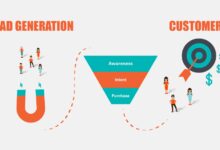
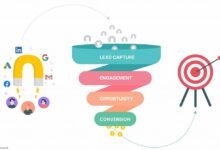
At its core, lead generation is the process of attracting and converting prospects into individuals who have shown interest in your product or service. It’s the bridge between marketing efforts and sales outcomes. Without a steady stream of qualified leads, even the most brilliant products can fail to gain traction.
The Evolution of Lead Generation
Lead generation has evolved dramatically over the past two decades. In the pre-digital era, businesses relied heavily on cold calling, print ads, trade shows, and direct mail to generate interest. These methods were often costly, difficult to measure, and yielded inconsistent results.
With the rise of the internet and digital marketing, lead generation shifted online. Websites became virtual storefronts, and content marketing emerged as a powerful tool for attracting potential customers. According to HubSpot, companies that prioritize lead generation see a 133% higher year-over-year growth in revenue compared to those that don’t.
Types of Leads: Marketing vs. Sales Qualified
Not all leads are created equal. Understanding the difference between marketing-qualified leads (MQLs) and sales-qualified leads (SQLs) is crucial for optimizing your funnel.
Marketing-Qualified Leads (MQLs): These are prospects who have engaged with your marketing content—such as downloading an ebook, attending a webinar, or subscribing to a newsletter—but aren’t yet ready to buy.Sales-Qualified Leads (SQLs): These leads have been vetted by the sales team and have demonstrated intent to purchase, such as requesting a demo or pricing information.Product-Qualified Leads (PQLs): A newer category, especially relevant for SaaS companies, where users have experienced the product (e.g., through a free trial) and shown behaviors indicating readiness to convert..
“A lead is not just a name and email—it’s a human with a problem you can solve.” — Anonymous Growth Marketer
Lead Generation: The Foundation of Business Growth
Effective lead generation fuels every stage of the customer journey.It’s not just a marketing metric; it’s a strategic driver of revenue, customer acquisition, and long-term brand loyalty.Companies with robust lead generation systems outperform competitors in customer retention and market share..
How Lead Generation Impacts Revenue
Revenue doesn’t appear out of thin air—it starts with a lead. A study by MarketingProfs found that organizations with mature lead generation processes generate 50% more sales-ready leads at a 33% lower cost.
When leads are nurtured properly through targeted content and personalized communication, conversion rates increase significantly. For example, nurtured leads make 47% larger purchases than non-nurtured leads (Source: MarketingDonut).
Building Trust Through Value-Driven Lead Generation
Modern consumers are skeptical of aggressive sales tactics. Instead, they respond to value-first approaches. Offering free tools, insightful guides, or interactive assessments positions your brand as a trusted advisor.
For instance, a financial advisory firm might offer a retirement calculator in exchange for contact details. This not only captures leads but also demonstrates expertise and builds credibility.
Top 7 Lead Generation Strategies That Actually Work
Not all lead generation tactics are equally effective. The best strategies combine psychological triggers, data-driven targeting, and seamless user experiences. Below are seven proven methods that deliver consistent results across industries.
1. High-Value Content Offers (Lead Magnets)
Content is still king, but not all content generates leads. The key is creating high-value lead magnets—free resources that solve a specific problem in exchange for contact information.
- E-books and whitepapers for in-depth knowledge
- Cheat sheets and templates for instant utility
- Webinars and live training sessions for engagement
According to Content Marketing Institute, B2B marketers who use lead magnets see a 30-50% increase in conversion rates on landing pages.
2. Optimized Landing Pages with Clear CTAs
A landing page is your digital handshake. If it’s weak, the opportunity is lost. An effective landing page must have:
- A compelling headline that speaks directly to the visitor’s pain point
- Minimal distractions (no navigation menus)
- A clear, action-oriented call-to-action (CTA)
- Trust signals like testimonials, security badges, or client logos
Unbounce reports that high-converting landing pages can achieve conversion rates of 10% or higher—compared to the average website conversion rate of 2.34%.
3. Social Media Lead Generation Ads
Platforms like Facebook, LinkedIn, and Instagram offer powerful lead generation ad formats. These ads allow users to submit their information without leaving the platform, reducing friction.
LinkedIn lead gen forms, for example, auto-fill user data, making it easier for professionals to express interest. According to LinkedIn Marketing Solutions, these forms can reduce cost-per-lead by up to 50% compared to traditional landing pages.
4. Search Engine Optimization (SEO) for Organic Lead Flow
SEO is a long-term lead generation engine. By ranking for keywords your ideal customers are searching for, you attract high-intent traffic.
- Target informational queries like “how to choose a CRM”
- Create pillar content and topic clusters to dominate niches
- Optimize for featured snippets and voice search
Ahrefs found that the top three Google results receive 54.4% of all clicks, making SEO a critical component of any lead generation strategy.
5. Email Marketing and Lead Nurturing Sequences
Lead generation doesn’t end at capture—it continues through nurturing. Automated email sequences guide leads through the buyer’s journey with personalized content.
- Welcome series to build rapport
- Educational content to address objections
- Case studies and testimonials to build trust
- Time-sensitive offers to drive urgency
Mailchimp reports that segmented and targeted emails generate 58% of all revenue, proving that relevance is key.
6. Referral and Affiliate Programs
Leverage your existing customers and partners to generate high-quality leads. People trust recommendations from peers more than ads.
Dropbox famously grew its user base by 60% in 15 months using a referral program that rewarded users with extra storage space. This strategy can be adapted for B2B and service-based businesses too.
7. Interactive Tools and Quizzes
Interactive content boosts engagement and captures leads more effectively than static content. Tools like ROI calculators, personality quizzes, or diagnostic assessments provide personalized value.
According to Interaction Design Foundation, interactive content generates 2x more conversions than passive content because it’s engaging and memorable.
Lead Generation Tools and Technologies
Technology has revolutionized how businesses capture, manage, and convert leads. From CRM systems to AI-powered chatbots, the right tools can automate and scale your lead generation efforts.
Customer Relationship Management (CRM) Systems
A CRM like Salesforce or Zoho CRM centralizes lead data, tracks interactions, and automates follow-ups. It ensures no lead falls through the cracks and provides insights into conversion bottlenecks.
Marketing Automation Platforms
Tools like HubSpot, Marketo, and ActiveCampaign allow you to set up drip campaigns, segment audiences, and score leads based on behavior.
Lead scoring, for example, assigns points to actions like visiting a pricing page or downloading a case study, helping sales teams prioritize the hottest leads.
Live Chat and Chatbots
Live chat tools like Intercom or Drift engage visitors in real time. Chatbots can qualify leads 24/7, answer FAQs, and book meetings—all without human intervention.
Studies show that websites with live chat have up to 20% higher conversion rates, as immediate responses reduce bounce rates and build trust.
Measuring the Success of Your Lead Generation Campaigns
What gets measured gets managed. To optimize your lead generation strategy, you must track the right metrics and analyze performance regularly.
Key Performance Indicators (KPIs) for Lead Generation
Not all metrics are equally important. Focus on those that reflect true business impact:
- Conversion Rate: Percentage of visitors who become leads
- Cost Per Lead (CPL): Total spend divided by number of leads generated
- Lead-to-Customer Rate: Percentage of leads that convert into paying customers
- Return on Ad Spend (ROAS): Revenue generated per dollar spent on ads
- Customer Acquisition Cost (CAC): Total cost to acquire a customer, including marketing and sales
A/B Testing for Continuous Optimization
Small changes can have big impacts. A/B testing allows you to experiment with different headlines, CTAs, form lengths, and visuals to see what resonates best.
For example, changing a CTA from “Submit” to “Get My Free Guide” increased conversions by 90% in one case study by VWO. Always test one variable at a time for accurate results.
Common Lead Generation Mistakes to Avoid
Even experienced marketers make mistakes that sabotage their lead generation efforts. Recognizing these pitfalls early can save time, money, and missed opportunities.
Targeting the Wrong Audience
Generating leads is pointless if they’re not the right fit. A common mistake is casting too wide a net. Instead, create detailed buyer personas based on demographics, pain points, goals, and behavior.
Use tools like Google Analytics, Facebook Audience Insights, or LinkedIn Sales Navigator to refine your targeting.
Poor Lead Qualification Processes
Not every lead deserves a sales call. Without proper qualification, your sales team wastes time on uninterested prospects. Implement a lead qualification framework like BANT (Budget, Authority, Need, Timeline) or CHAMP (Challenges, Authority, Money, Prioritization).
Neglecting Lead Nurturing
Only 25% of leads are ready to buy immediately. The rest need nurturing. Ignoring them means losing 75% of your potential customers.
Set up automated email workflows, retargeting ads, and personalized content to stay top-of-mind until they’re ready to convert.
Future Trends in Lead Generation
The lead generation landscape is constantly evolving. Staying ahead requires embracing new technologies, shifting consumer behaviors, and innovative strategies.
AI and Predictive Lead Scoring
Artificial intelligence is transforming how we identify and prioritize leads. AI-powered tools analyze historical data to predict which leads are most likely to convert.
Platforms like Salesfusion and InsideSales use machine learning to score leads in real time, improving sales efficiency and conversion rates.
Privacy-First Lead Generation
With increasing regulations like GDPR and CCPA, and the deprecation of third-party cookies, marketers must adapt to a privacy-first world.
This means relying more on first-party data, transparent consent mechanisms, and value-exchange models where users willingly share information in return for personalized benefits.
Voice Search and Conversational Marketing
As voice assistants like Alexa and Google Assistant become more prevalent, optimizing for voice search will be crucial. Conversational marketing—using chatbots and messaging apps to engage leads in real time—is also on the rise.
According to Gartner, by 2025, 80% of customer service interactions will be handled without human agents, highlighting the importance of automated, conversational lead generation.
What is lead generation?
Lead generation is the process of attracting and converting individuals who are interested in your product or service into potential customers by collecting their contact information for further marketing and sales efforts.
What are the best lead generation strategies?
The most effective lead generation strategies include creating high-value content offers, optimizing landing pages, leveraging social media ads, using SEO, implementing email nurturing, launching referral programs, and using interactive tools like quizzes and calculators.
How do you measure lead generation success?
You can measure success through key metrics like conversion rate, cost per lead, lead-to-customer rate, return on ad spend, and customer acquisition cost. Regular A/B testing and analytics help refine your approach.
What tools are essential for lead generation?
Essential tools include CRM systems (e.g., Salesforce), marketing automation platforms (e.g., HubSpot), live chat software (e.g., Intercom), and analytics tools (e.g., Google Analytics).
How can I generate leads without spending money?
You can generate leads organically through SEO-optimized content, social media engagement, email list building via free resources, guest blogging, and leveraging existing customer referrals.
Lead generation is not a one-time campaign but a continuous process that fuels business growth. From understanding the fundamentals to leveraging cutting-edge tools and avoiding common pitfalls, a strategic approach ensures sustainable success. By focusing on value, relevance, and data-driven optimization, businesses can build a reliable pipeline of high-quality leads that convert into loyal customers. The future of lead generation lies in personalization, automation, and ethical data use—those who adapt will thrive.
Further Reading:
